In the fast-paced digital world, where every second counts, ensuring that users have a seamless online experience is paramount. While most users take for granted the speed and reliability of the websites they visit, those responsible for maintaining these platforms know that behind every smooth interaction is a highly coordinated network of technologies working in harmony. One such technology that plays a critical role in this process, though often overlooked, is load balancing.
Understanding what load balancing is, how it works, and why it’s essential for optimizing the digital experience can provide businesses with a powerful tool for improving performance, scalability, and customer satisfaction. This article explores the significance of load balancing, its mechanics, and the emerging innovations that are transforming user experiences across the web.
What is Load Balancing?
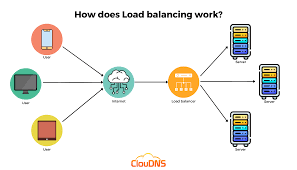
At its core, load balancing refers to the process of distributing network or application traffic across multiple servers to ensure that no single server becomes overwhelmed with too much demand. By effectively managing traffic distribution, load balancers help maintain a consistent and reliable performance, even under high-traffic conditions.
A load balancer acts as the intermediary between users and the servers hosting the website or application, deciding which server should handle each request based on several factors. These factors can include the number of requests a server is already processing, the server’s capacity, the amount of latency, and various other performance metrics.
By spreading out the workload, load balancing increases the number of concurrent users that can be supported, enhancing both scalability and performance. This, in turn, creates a more responsive and reliable online experience for users, helping businesses meet their customers’ expectations for fast and accessible digital interactions.
How Load Balancing Works
Load balancing utilizes a variety of algorithms to determine how traffic is distributed across servers. Some of the most common methods include:
- Round Robin: This is one of the simplest and most widely used algorithms. It evenly distributes incoming traffic across a group of servers in a rotating sequence.
- Least Connections: This algorithm directs traffic to the server that is currently handling the fewest connections, helping to prevent overloading any particular server.
- IP Hashing: This method uses the IP address of the client to determine which server will handle the request, often ensuring that users are routed to the same server for every session.
- Weighted Algorithms: In these systems, certain servers may be assigned a higher weight, meaning they receive more traffic due to their higher capacity or better performance.
The goal of these algorithms is to optimize traffic management, ensuring that users can access websites or applications quickly and reliably, no matter how many users are trying to connect at the same time.
The Benefits of Load Balancing for Businesses
For businesses operating in today’s digital landscape, offering a high-quality user experience is crucial to maintaining customer loyalty. Load balancing plays a significant role in this effort by providing a range of benefits that directly impact user satisfaction and business performance.
1. Scalability:
Load balancing increases a website’s ability to handle high volumes of traffic by distributing the workload across multiple servers. As businesses grow and attract more visitors, load balancers make it easy to scale up infrastructure to meet demand without compromising the quality of service.
2. Reliability:
With load balancing, the failure of a single server does not cause a complete disruption of services. Since traffic is routed to other servers in the pool, downtime is minimized, and businesses can ensure that their digital platforms remain up and running, even in the face of technical issues.
3. Improved Performance:
By optimizing how traffic is routed, load balancers reduce latency and ensure that users can access content more quickly. This results in faster page loads, reduced wait times, and an overall more pleasant user experience.
4. Flexibility:
Businesses often utilize a mix of on-premises data centers and cloud infrastructure. Load balancing can seamlessly manage traffic across this hybrid environment, offering businesses greater flexibility and enabling them to better adapt to changing technological needs.
5. Redundancy:
Load balancing ensures redundancy in a network setup, meaning that there is no single point of failure. This redundancy is essential for businesses that require consistent availability and uptime, such as ecommerce platforms and financial institutions.
Emerging Innovations in Load Balancing
As digital experiences become increasingly complex, businesses are looking for more advanced solutions to ensure that their websites and applications continue to meet the high expectations of users. Emerging technologies, such as Fastly’s Layer 7 Load Balancer, are providing new opportunities for businesses to optimize their traffic management strategies.
Fastly’s load balancer offers an infrastructure-agnostic solution that allows companies to efficiently distribute traffic across multiple infrastructure-as-a-service providers, data centers, and hybrid-cloud environments. This innovation ensures that businesses can auto-scale their applications without making significant changes to their existing infrastructure, offering a seamless way to manage traffic across diverse platforms.
One standout feature of Fastly’s load balancer is its ability to route traffic based on a wide range of request aspects, including geographic location, language preferences, device type, cookies, and HTTP headers. This level of precision allows businesses to tailor the user experience based on individual preferences, improving both engagement and satisfaction.
Moreover, Fastly offers real-time log streaming, which provides valuable insights into traffic patterns and user behavior. This feature is especially useful when trying to diagnose issues that might be affecting the user experience, such as slow load times or server errors. By having access to this real-time data, businesses can respond quickly and effectively to performance problems, preventing negative impacts on user satisfaction.
Why Load Balancing is Essential for Customer Loyalty
In the modern web economy, customer loyalty is one of the most valuable assets a business can have. To earn and retain that loyalty, businesses must deliver a reliable, secure, and scalable digital experience. Load balancing is a critical part of this effort.
As Tyler McMullen, the CTO of Fastly, explains, “Delivering reliable, secure, and scalable experiences is the first, and most critical, step to earning that loyalty.” Fastly’s own customer base, including companies like Outbrain, which serves over 250 billion native ads to millions of users each month, underscores the importance of load balancing for maintaining optimal performance in a high-traffic environment.
With over 1,000 brands already leveraging Fastly’s load balancing technology, it’s clear that businesses recognize the crucial role it plays in ensuring customer satisfaction. By investing in load balancing solutions, companies can stay ahead of the competition, providing fast, secure, and seamless digital experiences that foster long-term relationships with their users.
Load Balancing as a Key to Better Digital Experiences
As digital traffic continues to grow, businesses need to ensure that their websites and applications can handle the demands of modern users. Load balancing offers a powerful solution by improving scalability, performance, and reliability. With the advent of advanced technologies like Fastly’s Layer 7 Load Balancer, businesses can now optimize traffic management in even more sophisticated ways, enhancing the user experience while ensuring flexibility and redundancy.
For businesses aiming to stay competitive and retain customer loyalty, investing in load balancing is not just an option—it’s a necessity. By embracing this technology, companies can deliver better, more reliable digital experiences that keep users coming back for more.