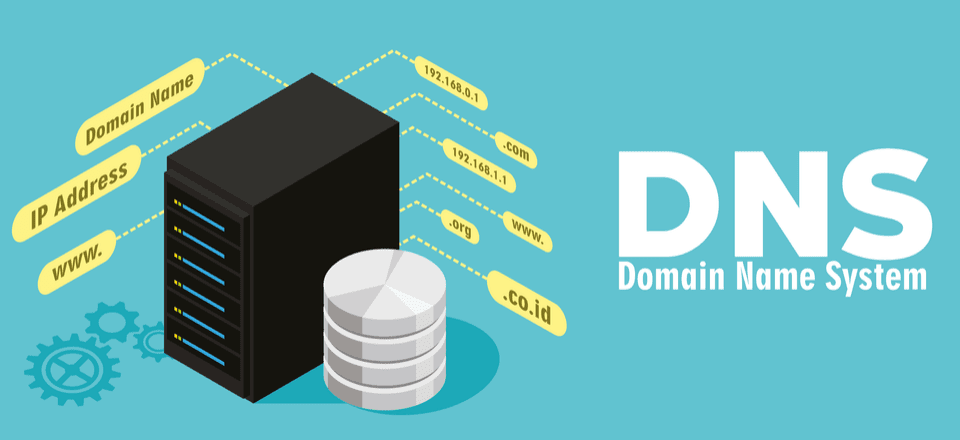
Every day, we type URLs into browsers or send emails without ever wondering what happens behind the scenes. However, behind every digital action lies a fundamental mechanism known as the Domain Name System. Often compared to the Internet’s directory, this system ensures we do not have to memorize complex strings of numbers to access our favorite websites.
Specifically, the Domain Name System translates a readable domain name into an IP address that machines can understand. Consequently, it acts as an essential intermediary between the user and the technical infrastructure of the global network. Without this process, known as DNS resolution, the modern web would be nearly impossible to navigate for the average person.
To begin with, the system relies on a hierarchical architecture of four distinct types of nameservers. Specifically, when you enter a URL, the query first hits the DNS resolver. Furthermore, if the resolver does not have the information in its temporary cache, it begins a search through the root, TLD, and authoritative nameservers.
Notably, there are only 13 root servers globally, overseen by IANA. Therefore, these servers act as the ultimate starting point for any query. By doing so, they redirect the resolver to the appropriate Top-Level Domain (TLD) server, such as those managing .COM or .ORG extensions. This structured approach ensures that the Domain Name System remains both fast and resilient under heavy traffic.+2
Regarding the final steps, the authoritative nameserver holds the actual DNS records for a specific domain. In fact, this is where the “zone file” lives, containing vital information like A records for IP addresses and MX records for email servers. Naturally, for those who own a website, managing this zone effectively is critical for operational success.
For instance, configuring the Time to Live (TTL) values determines how long information stays in a resolver’s cache. As a result, if you plan to migrate your website, you must lower the TTL in advance to speed up the propagation of your changes. Thus, understanding these technical details allows for much smoother site maintenance and fewer service interruptions.+1
Moreover, security remains a primary concern within the Domain Name System infrastructure. Since DNS is a common entry point for cyberattacks, threats like DNS spoofing or cache poisoning are quite common. Specifically, hackers can intercept queries to redirect users to fraudulent websites. Consequently, this can lead to domain hijacking or the compromise of sensitive customer data.
To counter these risks, many administrators implement the DNSSEC protocol. By doing so, they cryptographically sign their DNS responses to guarantee authenticity. In addition, using an Anycast infrastructure can further improve performance by distributing queries across multiple geographical servers.+3
In conclusion, the Domain Name System is the invisible backbone that keeps the internet organized and accessible. While the process happens in milliseconds, its impact on your website’s visibility and security is massive. Ultimately, effective management of your DNS zone is not just a technical chore but a strategic necessity.
Because it affects everything from loading speeds to brand protection, it deserves careful attention from every site owner. Moving forward, staying informed about protocols like DNSSEC and Anycast will help ensure your digital presence remains stable. For now, remember that every click you make relies on this sophisticated network of servers working in perfect harmony.