Introduction
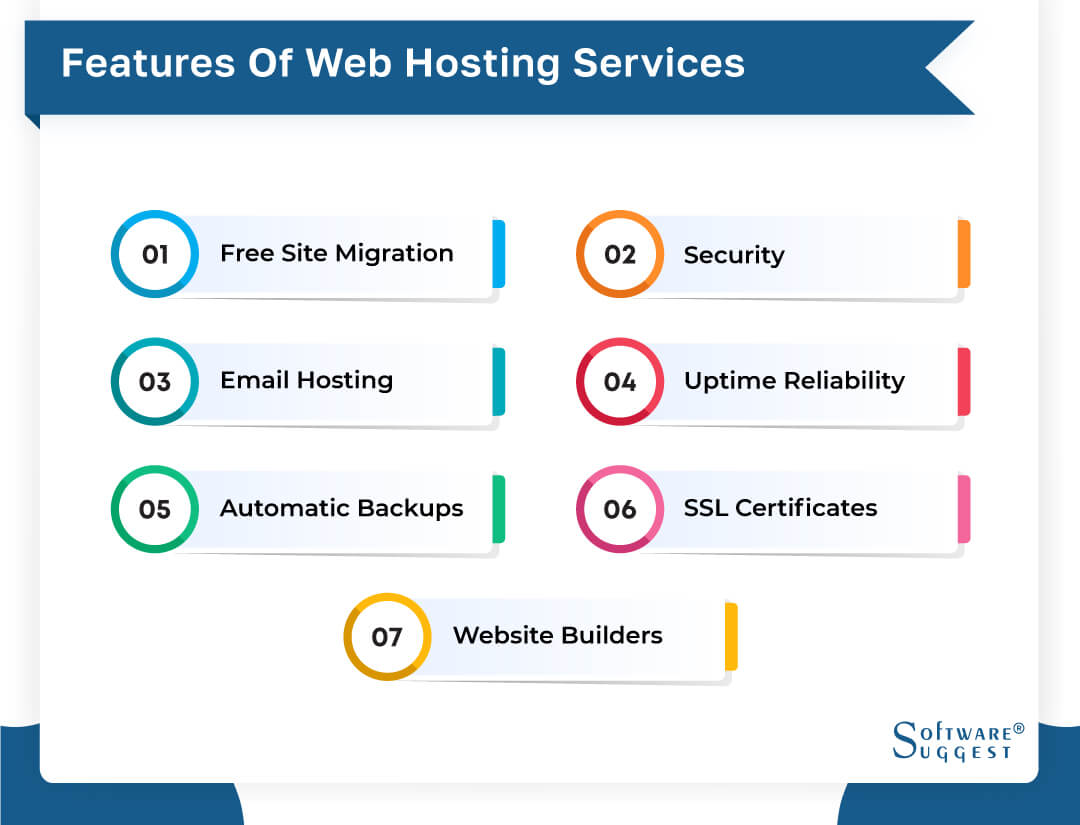
When it comes to web hosting, developers have very specific needs. Unlike general users who might prioritize ease of use or affordability, developers often require hosting services that offer advanced configurations, flexibility, and robust performance. Whether you’re building websites, testing applications, or deploying complex web projects, selecting the right web hosting service is crucial to ensure seamless development and optimal performance.
In this article, we will explore the key features developers should look for when choosing web hosting, and how these features can contribute to a smoother development process.
1. Control and Customization
As a developer, you need full control over your hosting environment. Customization options are vital for configuring server settings, installing specific software, and managing code deployments. Look for web hosting services that allow you to access the server via SSH (Secure Shell) or provide a control panel that supports configuration files, database management, and other advanced settings.
- SSH Access: Enables developers to remotely manage their servers and run commands directly from the terminal, making it easier to automate tasks.
- Custom Software Installations: Developers often need specific versions of software or programming languages (e.g., Node.js, Python, PHP). Choose a hosting provider that supports a variety of software configurations or offers easy installation options.
2. Support for Multiple Programming Languages
Modern web development often requires working with various programming languages and frameworks. Whether you’re coding in PHP, Ruby on Rails, JavaScript, Python, or using a content management system like WordPress, make sure the hosting provider supports multiple languages and frameworks.
The best web hosting services for developers should:
- Support modern web technologies like Node.js, React, or Angular.
- Provide compatibility with popular frameworks like Django, Laravel, or Vue.js.
- Ensure that they can handle the specific version of a language or framework you are working with, such as the latest PHP, Ruby, or Python releases.
3. Version Control and Collaboration Tools
Version control systems (VCS) like Git have become integral to modern development workflows. Being able to integrate your hosting with Git repositories, GitHub, or GitLab for seamless version control and collaboration is a huge advantage for developers.
Look for web hosting that:
- Offers easy integration with Git and other VCS platforms.
- Allows you to automatically deploy updates and manage different branches of your project.
- Provides collaboration tools for team development, such as multiple user access, staging environments, and rollback features.
4. Performance and Speed
The speed and performance of your website or application are critical to user experience and SEO. Developers should prioritize web hosting providers that offer fast server speeds, low latency, and reliable uptime. A slow website can deter users and affect business goals.
Key factors contributing to performance include:
- Solid-State Drives (SSDs): SSDs are much faster than traditional hard drives and can significantly improve loading times.
- Content Delivery Network (CDN): A CDN caches your site’s content across multiple servers around the world, reducing latency and speeding up access for users no matter their geographic location.
- Optimized Server Configuration: Look for hosting providers that optimize their servers for high-traffic applications and support caching techniques like Varnish, Redis, or Memcached.
5. Scalability
As a developer, you may begin with a small project and need the flexibility to scale up as your website or application grows. Look for hosting providers that offer easy scalability options, allowing you to upgrade your resources (e.g., CPU, RAM, storage) without downtime.
Features to look for in scalable hosting include:
- Cloud Hosting: Many developers prefer cloud hosting services like AWS, Google Cloud, or DigitalOcean, which allow for seamless scaling based on traffic demands.
- Auto-scaling: This feature automatically adjusts resources based on the needs of your application, ensuring optimal performance during peak traffic times.
6. Security Features
Security is a critical concern for web developers, especially when working with sensitive data, user information, or payment processing. When evaluating hosting providers, make sure they offer strong security measures, such as:
- SSL Certificates: Ensure that your hosting service provides SSL certificates for encrypted communication between users and your website.
- DDoS Protection: Distributed Denial of Service (DDoS) attacks can overwhelm your server and cause downtime. Hosting providers with built-in DDoS protection are essential for mitigating such threats.
- Firewall Protection: A firewall helps prevent unauthorized access to your server, blocking malicious traffic and attacks.
- Automatic Backups: Ensure that your hosting provider offers automated backups and easy recovery options in case of data loss.
7. Managed vs. Unmanaged Hosting
When choosing hosting, developers must decide between managed and unmanaged hosting. Managed hosting offers technical support, server maintenance, and updates, while unmanaged hosting gives developers more control but requires them to handle configuration and troubleshooting.
- Managed Hosting: Ideal for developers who want to focus on coding and development without worrying about server maintenance and technical issues. Managed hosting services often include automatic updates, backups, and security patches.
- Unmanaged Hosting: Suited for advanced developers who want complete control over their hosting environment and are comfortable managing servers themselves.
8. Cost and Value for Money
While developers are often willing to pay a premium for advanced features and reliable performance, it’s essential to assess the cost-to-value ratio. Look for hosting providers that offer tiered pricing plans, so you can choose the one that aligns with your budget and project requirements.
When considering cost, also take into account:
- Bandwidth Limits: Check whether the hosting plan includes unlimited bandwidth or if additional charges apply for high traffic volumes.
- Storage Capacity: Assess whether the hosting package offers sufficient disk space for your files and databases.
9. Customer Support and Documentation
Reliable customer support is essential, especially if you encounter technical issues or need help with specific hosting configurations. Look for hosting providers that offer 24/7 support via multiple channels (live chat, email, phone) and have extensive documentation, tutorials, and knowledge bases to assist developers.
Conclusion
Choosing the right web hosting service is a crucial decision for developers, impacting everything from productivity to performance. By focusing on key features like control and customization, support for multiple programming languages, security, scalability, and performance, developers can ensure that their hosting environment aligns with their technical needs. Whether you choose managed or unmanaged hosting, ensuring that the service is reliable, secure, and optimized for web development will allow you to focus on what matters most—building great applications and websites.