Choosing the right website builder for your business is a critical long-term decision. Many entrepreneurs initially select a platform for its simplicity, only to face a complex and expensive migration later. This article provides a clear framework for evaluating your options. We will focus on key factors like control, integrations, and scalability. Ultimately, selecting the proper website builder early can save significant time, money, and stress as your enterprise expands.
Consider the story of Jackie, who ran a skincare eCommerce store. A feature in a major magazine drove a surge of traffic to her site. Her low-cost website builder could not handle the influx. Consequently, slow load times frustrated customers and hurt sales. A similar issue affected a local hardware store after it won a community award. Its shared hosting plan failed under the sudden visitor spike. These examples highlight a common pitfall: selecting a platform without planning for growth.
Never Assume You Can Easily Migrate Later
Many business owners believe they can change their website builder effortlessly in the future. This assumption is often a costly mistake. Migrating a website typically involves hidden expenses and operational headaches. For example, you must rebuild all integrations for payment processing, email marketing, and CRM systems. Your carefully crafted design will also not transfer perfectly. Essentially, you will likely need a complete rebuild on the new platform.
Additionally, migrations demand staff retraining on a new content management system. Data fragmentation often occurs, leaving customer records or order history incomplete. Perhaps most critically, search engine rankings frequently fluctuate after a migration. Google views a platform change as a major site alteration. Therefore, your initial choice of a website builder carries immense weight. You should view this decision as a long-term commitment, not a temporary experiment.
A Framework for Selecting Your Website Builder
A strategic framework can guide your selection process. We will explore four essential questions. These questions address control, integrations, scalability, and timing. Answering them honestly will narrow your options effectively. This method moves beyond superficial comparisons of templates and price. Instead, it aligns the platform’s capabilities with your business’s fundamental trajectory. The goal is to find a website builder that grows with you.
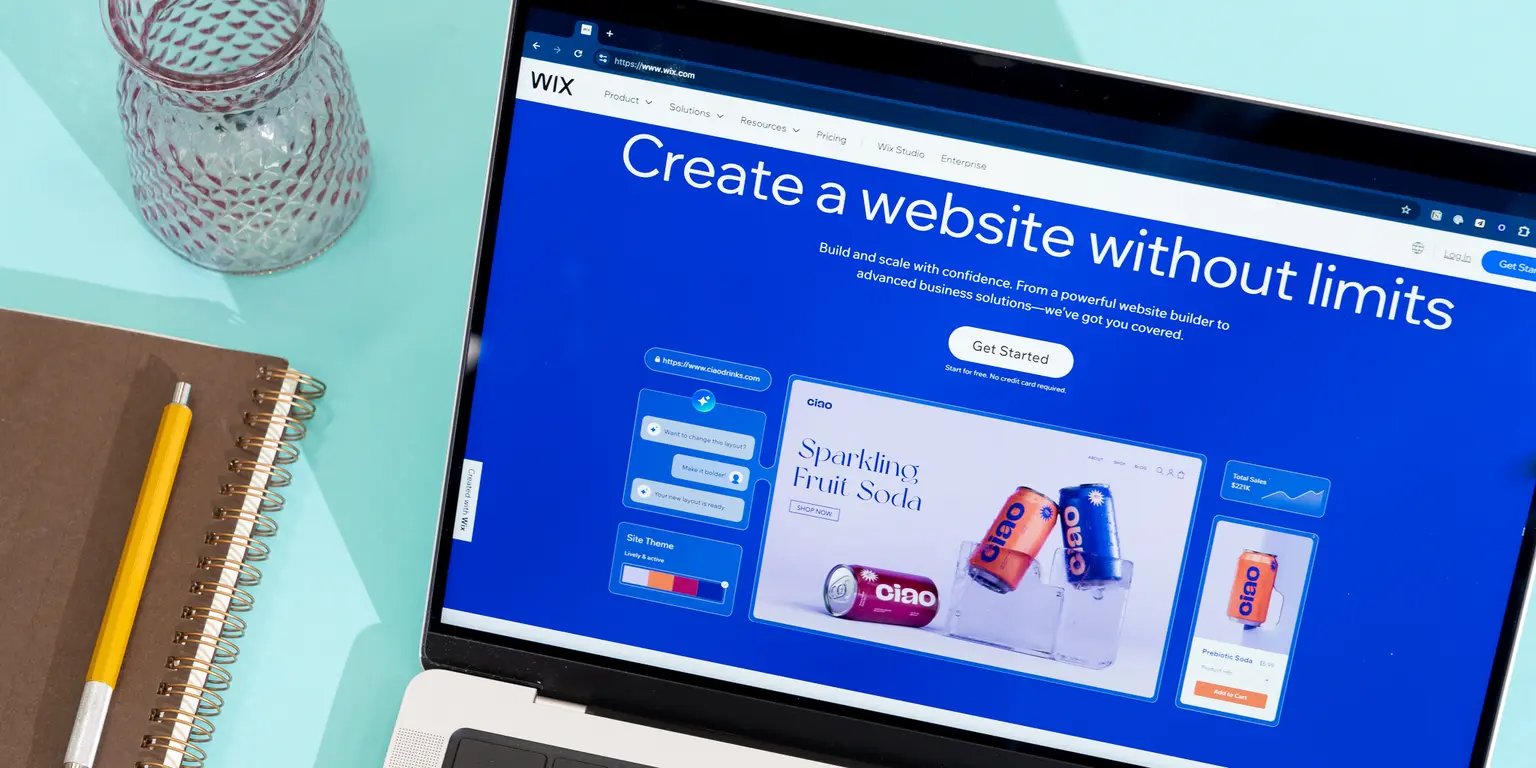
First, assess how much control and customization you require. Some platforms, like Wix and Squarespace, offer user-friendly drag-and-drop editors but limit deep technical access. Conversely, a self-hosted WordPress site provides full code access and unlimited customization. However, it demands more technical skill. You must decide if you need pre-built templates or a unique, code-level design. Your answer will immediately filter many unsuitable options.
Evaluating Integrations and Scalability
Second, identify your essential integrations. Your website must communicate with other business tools. Consider email marketing platforms, payment processors, CRM software, and inventory management systems. A robust website builder should connect natively with these services or support reliable third-party apps. For instance, Shopify excels in eCommerce integrations, while WordPress boasts a vast plugin ecosystem. Prioritize platforms that seamlessly connect your operational core.
Third, project your business growth realistically. Scalability involves both traffic capacity and cost. A platform suitable for a brochure site may crash under high traffic. Examine the hosting resources and plan limits of each contender. For example, Wix and Squarespace have upper traffic ceilings on standard plans. Meanwhile, WordPress scalability depends on your hosting provider, and Shopify is built for enterprise-level eCommerce volume. Always choose a website builder that supports your five-year vision, not just your launch day.
Balancing Immediate and Future Needs
Finally, balance immediate needs with future ambitions. Some builders optimize for a fast launch. Platforms like Wix offer tremendous ease of use, allowing you to publish a site in hours. This approach is ideal for testing a business idea or operating on a tight budget. However, these platforms often impose design and functional limits later. Alternatively, platforms like Webflow or WordPress require more initial investment in learning and setup. Yet they provide superior long-term flexibility and control.
Your business model should dictate this balance. A simple service portfolio may thrive on Squarespace indefinitely. A complex eCommerce brand with custom workflows will likely need Shopify or WordPress. There is no universally perfect website builder. The perfect choice is the one that aligns with your specific operational needs and growth aspirations. Making an informed decision now prevents the disruption and expense of a future platform migration.
Making Your Final Decision
Think of your website builder as your company’s digital headquarters. A simple builder is like leasing a space in a modern coworking office. It is move-in ready and manageable but offers limited control. A powerful, self-hosted solution is like constructing your own building. It requires more upfront capital and effort, but you own the asset and dictate all terms. Your business’s size, complexity, and ambition should guide this real estate decision.
In summary, avoid choosing a platform based solely on short-term convenience. Analyze your need for control, identify critical integrations, project your growth trajectory, and weigh present ease against future power. This disciplined approach ensures your chosen website builder becomes a foundation for success, not a constraint. Invest the time now to research and select wisely. Your future self will thank you for the foresight, and your business will operate on a stable, scalable digital foundation.