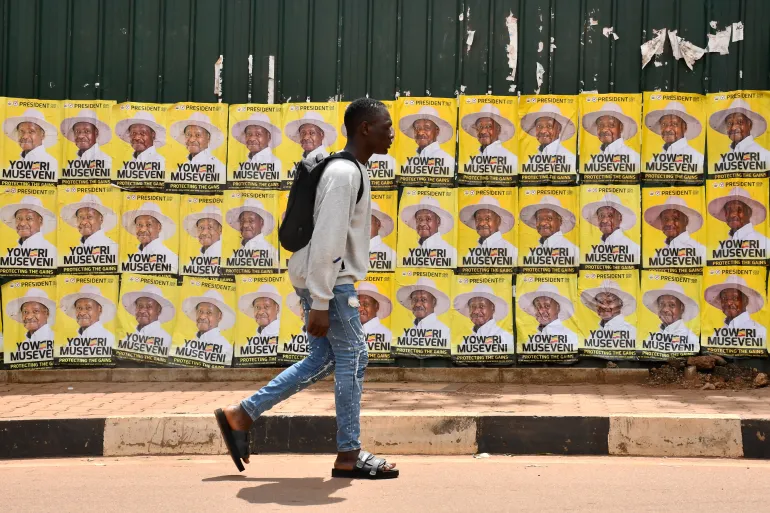
Authorities in Uganda have warned they may block the best VPN services as Uganda internet censorship escalates following a nationwide internet shutdown during recent elections. Although connectivity began returning on January 17–18, 2026, access to major platforms like WhatsApp, Facebook, Instagram, and Telegram remains heavily restricted.
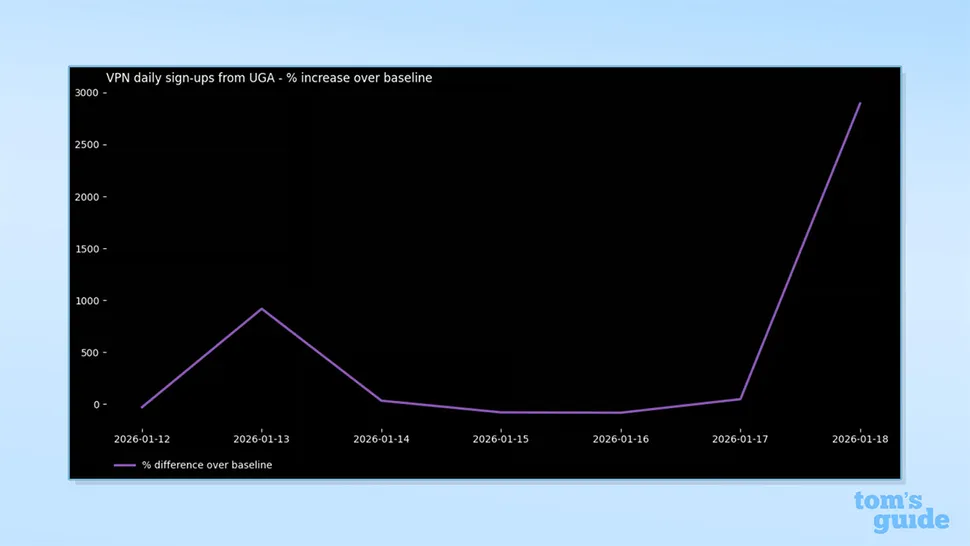
As a result, many Ugandans are turning to virtual private networks (VPNs) to bypass these blocks. Proton VPN reported that sign-ups in Uganda surged by 3,000% above normal levels. David Peterson, General Manager at Proton VPN, confirmed usage in the country has reached an “all-time high.”
However, this surge has drawn government attention. Nyombi Thembo, Executive Director of the Uganda Communications Commission (UCC), issued a stark warning to VPN users. He claimed authorities possess “reasonable capabilities” to “attack devices directly.” While Thembo insisted only those “breaking the law” would be targeted, he did not specify what actions constitute illegal behavior.
Moreover, he stated that blocking internet access or disabling network connectivity could be used to counter VPN use. “We may end up going for your device,” Thembo said, adding that authorities “don’t care” if people use VPNs to contact family—but “antennas are up” for suspected lawbreakers.
Despite these threats, digital rights advocates urge caution rather than panic. Users can reduce visibility by using features like Proton VPN’s Guest Mode—which requires no account—or its discreet app icon. These tools help mask VPN activity on personal devices.
The current restrictions follow a five-day nationwide internet blackout from January 13–18, 2026, which coincided with Uganda’s disputed presidential and parliamentary elections. Officials justified the shutdown as a measure to “mitigate the rapid spread of misinformation.”
This is not an isolated incident. According to the Surfshark Internet Shutdown Tracker, Uganda has enforced seven internet disruptions since 2015—five of them tied to elections. Such patterns highlight a recurring strategy of digital control during politically sensitive periods.
The economic toll is also significant. Top10VPN.com estimates the recent shutdown cost Uganda $16 million, with ongoing social media blocks adding another $8.6 million in losses. Beyond economics, the restrictions limit civic discourse, press freedom, and access to essential communication tools.
In conclusion, the Ugandan government’s move against VPNs marks a new phase in its Uganda internet censorship campaign. While citizens seek ways to stay connected, authorities are tightening digital surveillance. The situation underscores a growing global tension between state control and the public’s right to open, secure internet access.
READ: Thailand Approves $3.1B in Data Centre Projects in 2026