Choosing the Best site builders in 2025 means balancing speed, design quality, ecommerce power, SEO control, and AI tools. Consequently, the right choice helps you publish quickly and scale smoothly. Moreover, a smart pick prevents costly migrations later.
How we picked the Best site builders
First, we evaluated build speed from idea to publish. Next, we examined template quality, editor flexibility, and built-in SEO. Additionally, we scored ecommerce depth, app ecosystems, AI features, performance, and scalability. Finally, we considered learning curve and total cost of ownership to keep expenses predictable.
Top picks at a glance
Wix — All-purpose flexibility. Its AI drafts sections fast, yet the classic editor offers precise control. Furthermore, polished templates and a rich app market make scaling from brochure site to store straightforward.
Squarespace — Design-first clarity. Elegant templates, balanced typography, and a calm editor produce premium results. Plus, blogging, scheduling, and marketing tools feel cohesive.
Shopify — Ecommerce specialist. Robust product management, analytics, and checkout shine. As a result, stores can grow from first sale to serious volume.
Webflow — Designer precision. Visual controls map to clean HTML/CSS for complex layouts and animations. Meanwhile, the CMS supports rich content models.
WordPress.com + WooCommerce — Content scale. Massive plugin choice enables editorial workflows and selling. However, expect a little more tinkering.
Hostinger — Budget and simplicity. Integrated hosting, quick setup, and practical AI tools help small teams ship early.
GoDaddy — Speed to publish. A guided flow gets service sites online fast; in exchange, customization is lighter.
BigCommerce — Built for large catalogs. Strong native features handle complex product rules and multi-currency, reducing app sprawl.
Which builder fits your goal?
Design-led portfolios benefit from Squarespace because visuals stay crisp with minimal tweaking. For general business sites that need freedom and apps, Wix usually fits best. If selling is central, Shopify prioritizes conversion, fulfillment, and multi-channel sales.
Alternatively, choose Webflow when you want developer-grade layout control without coding everything. For publishing at scale, WordPress.com plus WooCommerce remains a powerhouse. On tight budgets or short timelines, Hostinger is pragmatic.
When you must go live today, GoDaddy minimizes decisions. Finally, if you expect very large catalogs, BigCommerce handles complexity gracefully.
Practical setup checklist
- Start with an on-brand template; then replace images and copy before altering layout.
- Use clear H1–H3 hierarchy, short paragraphs, and scannable lists for readability.
- Create core pages early: Home, Services/Products, About, Contact, and Blog/Updates.
- Connect your domain; then set titles, meta descriptions, and analytics.
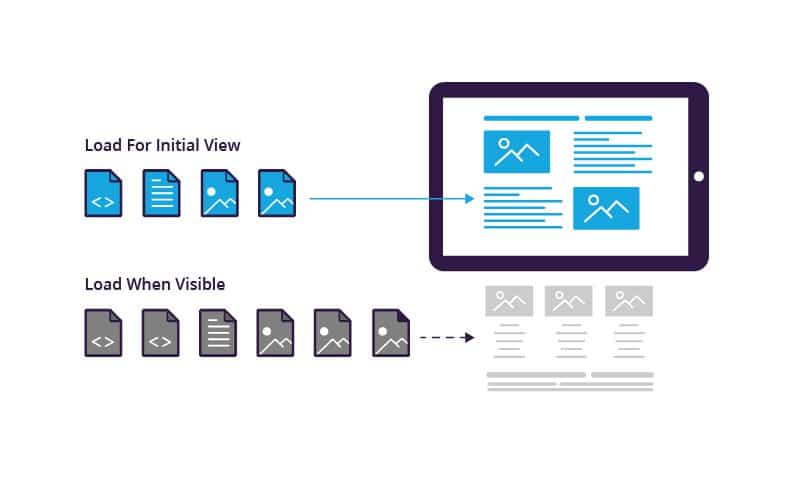
- Compress images, enable lazy loading or CDNs where available, and limit third-party scripts.
- Add only essential integrations (email, scheduling, payments); remove anything unused.
SEO and performance tips for the Best site builders
Write descriptive page titles with your primary keyword near the beginning. Additionally, craft compelling meta descriptions that invite clicks. Structure content with internal headings and natural synonyms; therefore, you’ll avoid keyword stuffing. Keep the homepage lean, move heavy media to subpages, and simplify navigation. Finally, review analytics weekly, test improvements, and iterate consistently.
Different goals demand different tools. Therefore, pick the platform that aligns with your primary outcome—store conversions, visual polish, editorial scale, or rapid launch. Ultimately, the Best site builders in 2025 help you publish faster, improve confidently, and grow without friction.